
I left Philadelphia when I was 25.
After that, I lived in DC, New York, Portland, and now Oakland. Leaving home changed everything for me. I’ve met amazing people, built a career I’m proud of, and found opportunities I might not have had if I’d stayed.
But lately, something has been on my mind.
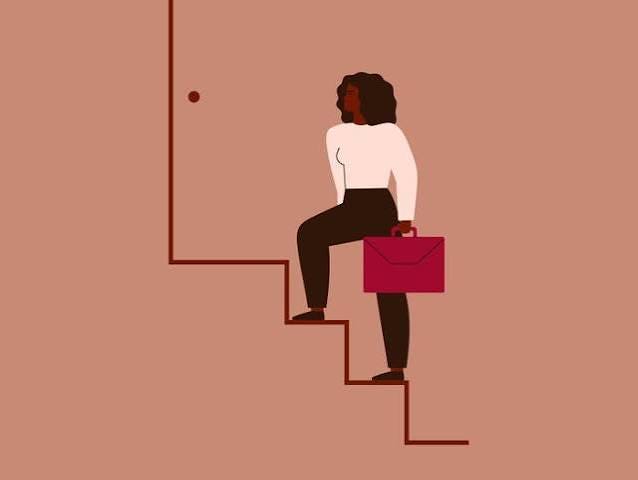
Growing up, we heard we should work hard, get an education, find a good job, and make something of ourselves. For many Black and Brown kids from working-class neighborhoods, that dream came with an unspoken expectation.
We were expected to leave. The goal was to get out.
We celebrate the kid who leaves, goes to college, builds a career, and creates a better life. That’s how it should be.
But what if that same kid wants to come back home?
What if you do everything right, but then find out your old neighborhood is now too expensive to move back to?
Or even worse, maybe you can afford to return, but the people who stayed can’t afford to live there anymore.
Watching historically Black neighborhoods change is both fascinating and frustrating.
For decades, many of these neighborhoods struggled to get basic investments like grocery stores, good schools, reliable transportation, affordable business loans, and safe public spaces.
People spent years asking for resources that other communities never had to worry about.
Then, all of a sudden, developers notice the potential.
New restaurants open, luxury apartments are built, and property values go up. The neighborhood gets a new name, a marketing push, and a whole new reputation.
The same place that was once called dangerous is now seen as desirable.
But investment itself isn’t the problem. Our communities deserve nice spaces, successful businesses, and good housing.
So why does investment so often come with the displacement of the people who fought for it for so long?
We often judge a neighborhood’s progress by looking at rising property values, new buildings, and higher incomes.
But those numbers don’t always show us who is actually benefiting.
If average incomes go up just because wealthier people move in and lower-income people move out, is the community really better off?
If home values double, that might be good for homeowners. But what about renters whose pay hasn’t kept up? Or small businesses facing higher rents? Or older homeowners struggling with taxes and insurance?
A neighborhood can get richer, but its longtime residents might not build any wealth at all.
For Black communities, this contradiction is especially painful.
Generations of redlining, unfair lending, and exclusionary housing policies kept Black families from building the kind of property wealth that many white families could pass down.
Now, as these neighborhoods attract new investment, the people who already have money are usually the ones who benefit most.
But it doesn’t have to be this way.
In Boston’s Dudley Street neighborhood, residents came together to take control of land through a community land trust. This helped keep housing affordable and gave the community more say in development.
It’s a good reminder that revitalization doesn’t have to mean displacement.
Which is why people from the neighborhood should be able to decide it’s future.
Ownership matters because it decides who builds wealth in a world not always created with us in mind.
I want young people in West Philadelphia to have every chance to travel, build great careers, and see the world.
But I also want them to be able to come back home.
And I want the people who never left to have the financial security to stay.
Not because they’re stuck, but because they truly have a choice.
Maybe we’ve been looking at neighborhood progress the wrong way.
The real sign of a thriving neighborhood isn’t how many wealthy people want to move in. It’s whether the people who already live there can afford to stay and share in its success.